Circus girls and Gen Z’s rejection of the nine to five
Words by Tanya Fevzi
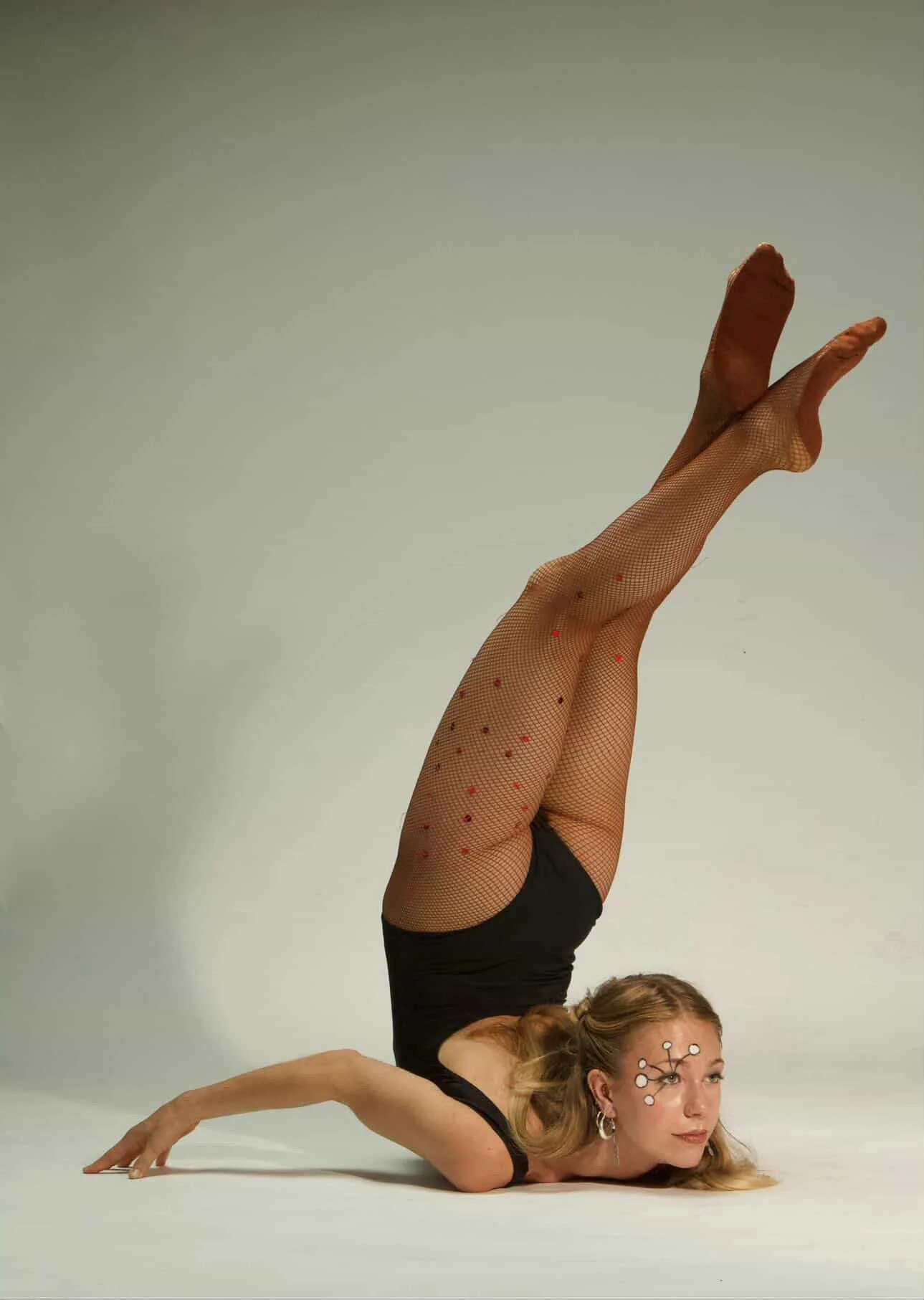
Katie Williams graduated from the National Centre for Circus Arts in 2025. Photo by Georgia Andes
My first memory of the circus is in Jacqueline Wilson’s Hetty Feather. The eponymous protagonist, who is in foster care after being abandoned at the Foundling Hospital, discovers a travelling circus fit with women on tightropes, equestrian performers, clowns and the world’s largest elephant. Hetty thinks one of the red-headed artists working there looks just like her; wrongly convinced the lady is her mother, she later runs away from the hospital to the circus to find her.
As an 11-year-old reading the novel and relating to Hetty’s rebellious nature, the idea of running away with a circus seemed impossibly seductive.
Tucked away in a Victorian power station on one of the maze-like streets of East London’s busy Hoxton, there exists a modern-day circus. It’s not inside a red-and-yellow striped tent, and, thankfully, there are no animals inside perfecting their performances.
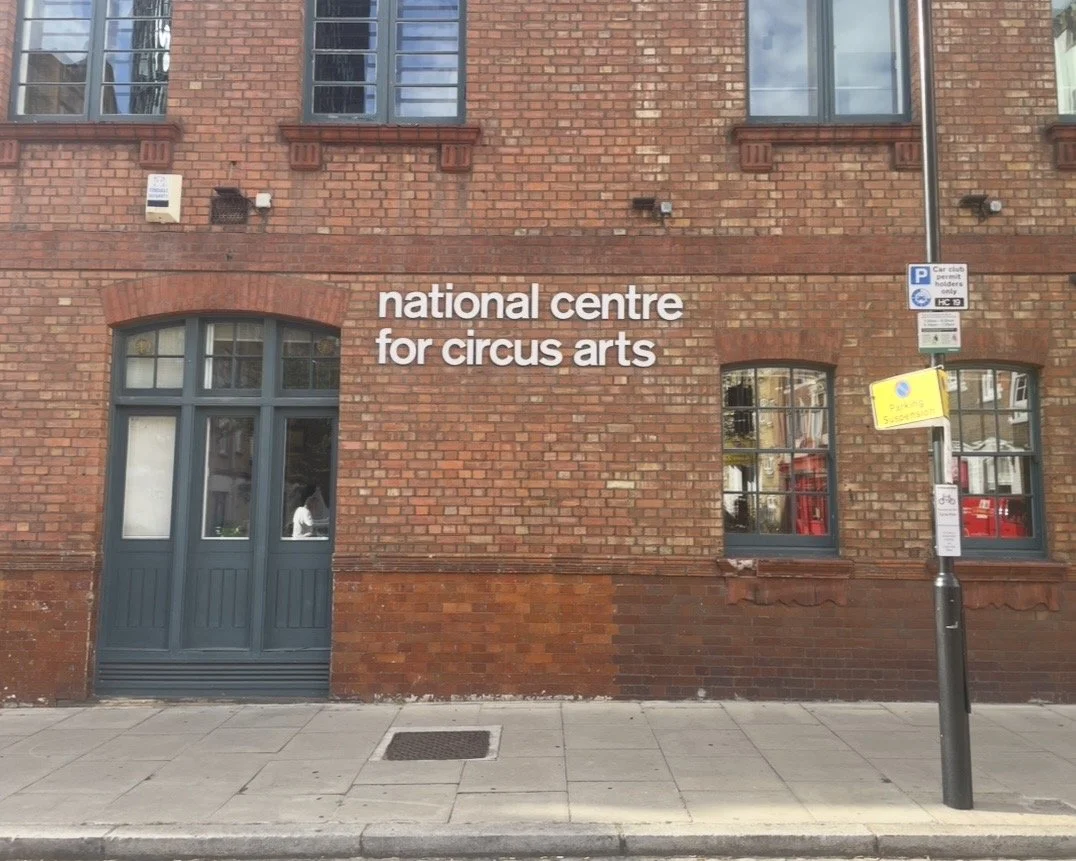
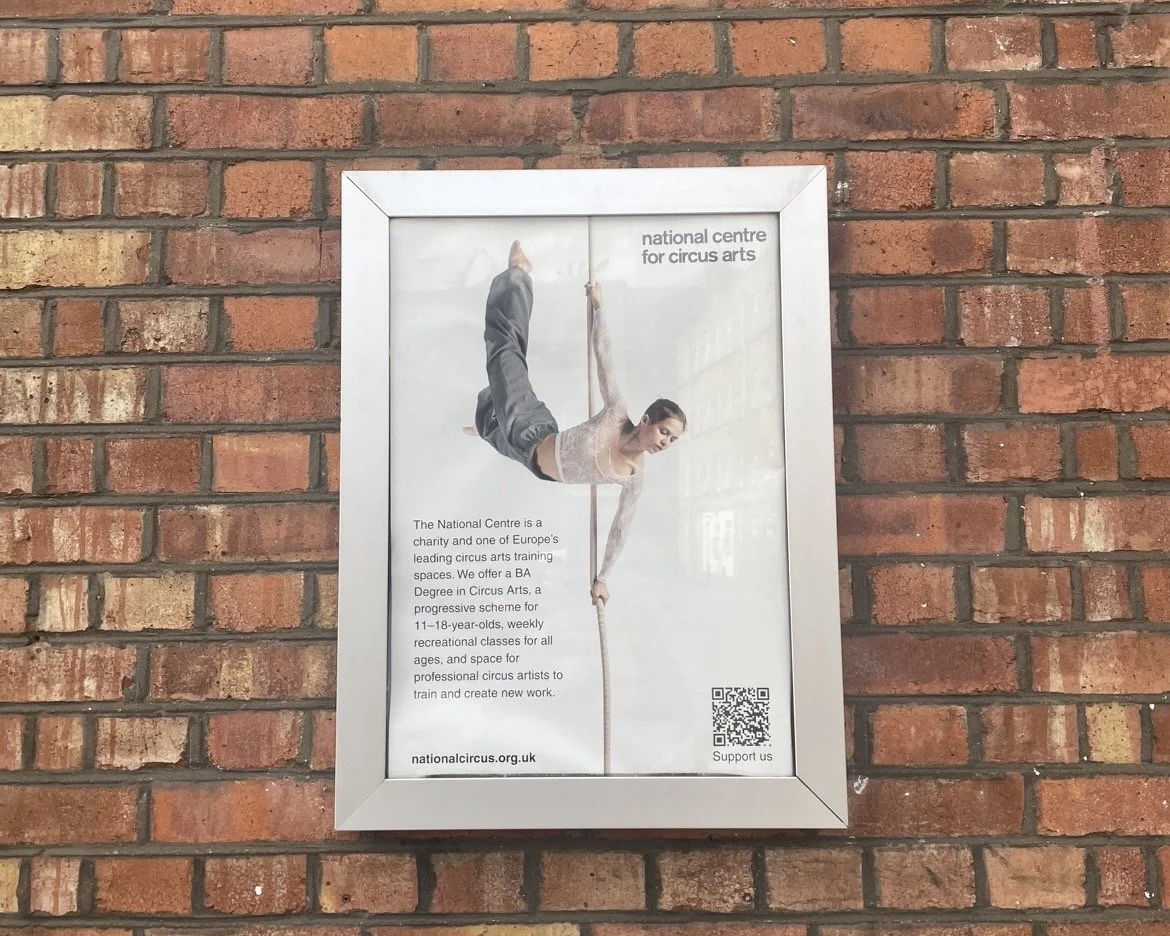
The National Centre for Circus Arts is the only establishment in London that offers a circus course at BA level. Photos by Tanya Fevzi
The National Centre for Circus Arts is a registered charity and one of Europe’s leading providers of circus education. It isn’t the sort of place many would picture when thinking about going to university, yet it offers the same level of higher education as ‘traditional’ establishments.
The school’s BA Hons in circus arts is an alternative to ‘academic’ degrees that are often viewed as more valuable than creative degrees. Over the course of three years, budding circus artists explore disciplines like trapeze, aerial silks, and juggling, and specialise in a skill they’d like to take into the professional world.
Deciding to study circus arts isn’t an endeavour fit for anyone, but the overarching rejection of the nine to five by Gen Z and the lack of entry-level opportunities is arguably inspiring students to pursue creative education. The changing working landscape - and the feeling that degrees have lost their value altogether - explains why younger people are looking for different routes into employment.
“People are maybe realising that they don’t want to do the typical, nine to five. Personally, I always knew I didn’t want to sit in an office for eight hours a day”
There are multiple circuses across London where artists can learn, train, and perform, but the National Centre for Circus Arts is the only establishment in the city that offers a course at degree level. Circomeda in Bristol, and the University of Worcester also offer BA circus programs.
Dan Cowdrill, the National Centre for Circus Art’s CEO, said: “The circus arts, and the performing arts more generally, have always been a home for those looking to study at a higher education level but for whom traditional academic subjects may be unappealing or inaccessible.
“Their focus on physical development and progression, all through a creative lens, allows those who learn or think differently from the mainstream to thrive and find a home.”
Emma van Buuren was a graduate of the degree programme in 2025; originally from South Africa, she moved to London to study. The city was the place that had inspired her wishes to perform years before, when she watched Cirque du Soleil at the Royal Albert Hall. She had dreamt of going to dance school but made the switch to circus and applied to the centre’s course at the last minute.
When asked why she thinks more people are getting into circus arts, she said: “I think that people are maybe realising that they don't want to do the typical, nine to five.
“I mean, for me personally, I always knew I didn't want to sit in an office for eight hours a day.”
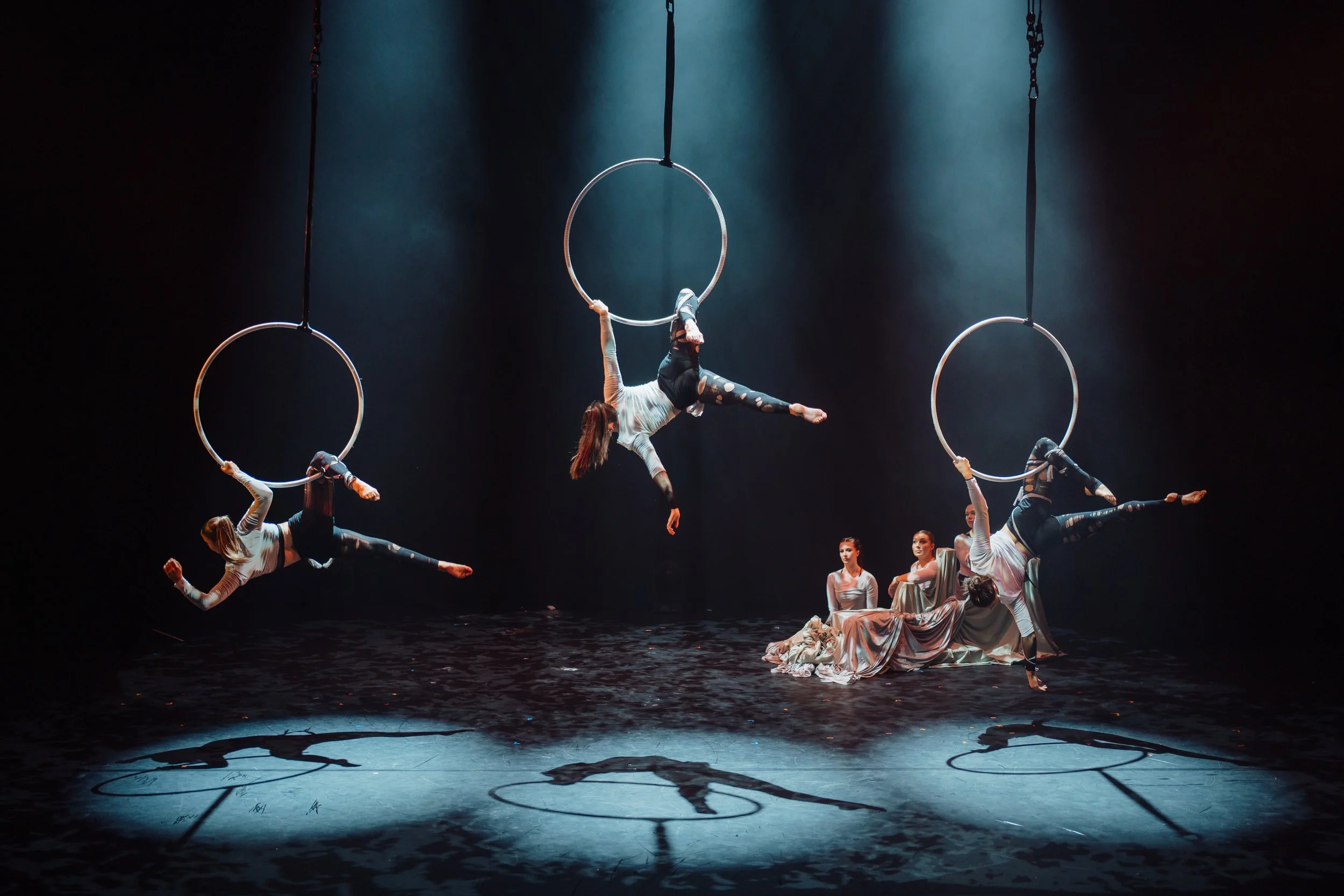
A National Centre for Circus Arts student production. Photo by Alice Underwood
Katie Williamson, another 2025 National Circus graduate, shared similar views: “I think now more than ever, people want a creative outlet and they're realising that the nine to five and the stability that comes with that isn't necessarily all it's cracked up to be.
“People are seeing that there are non-traditional opportunities that can be taken advantage of.
“The nice part about the national centre was that it offered a bachelor's degree, and that was something that felt like the best of both worlds where I could do what I love and still get the formal certificate out of it. It's a way to do what you love within the confines of what is accepted socially. It makes it feel more official.”
Katie comes from a family of doctors, so growing up, she was encouraged by her parents to pursue a more ‘traditional’ path in life - and she did, actually, care about academia. Before deciding on circus arts, she wanted to be a marine biologist, then a cardiothoracic surgeon.
But, she said: “I think we need creativity. Like humans in general, we need it. We need to be creative. People who have regular degrees still go and watch shows on the West End. They still go watch Circle du Soleil. It even comes down to smaller things, like, people now go and paint pottery as an activity to do and I think that's because we need it.”
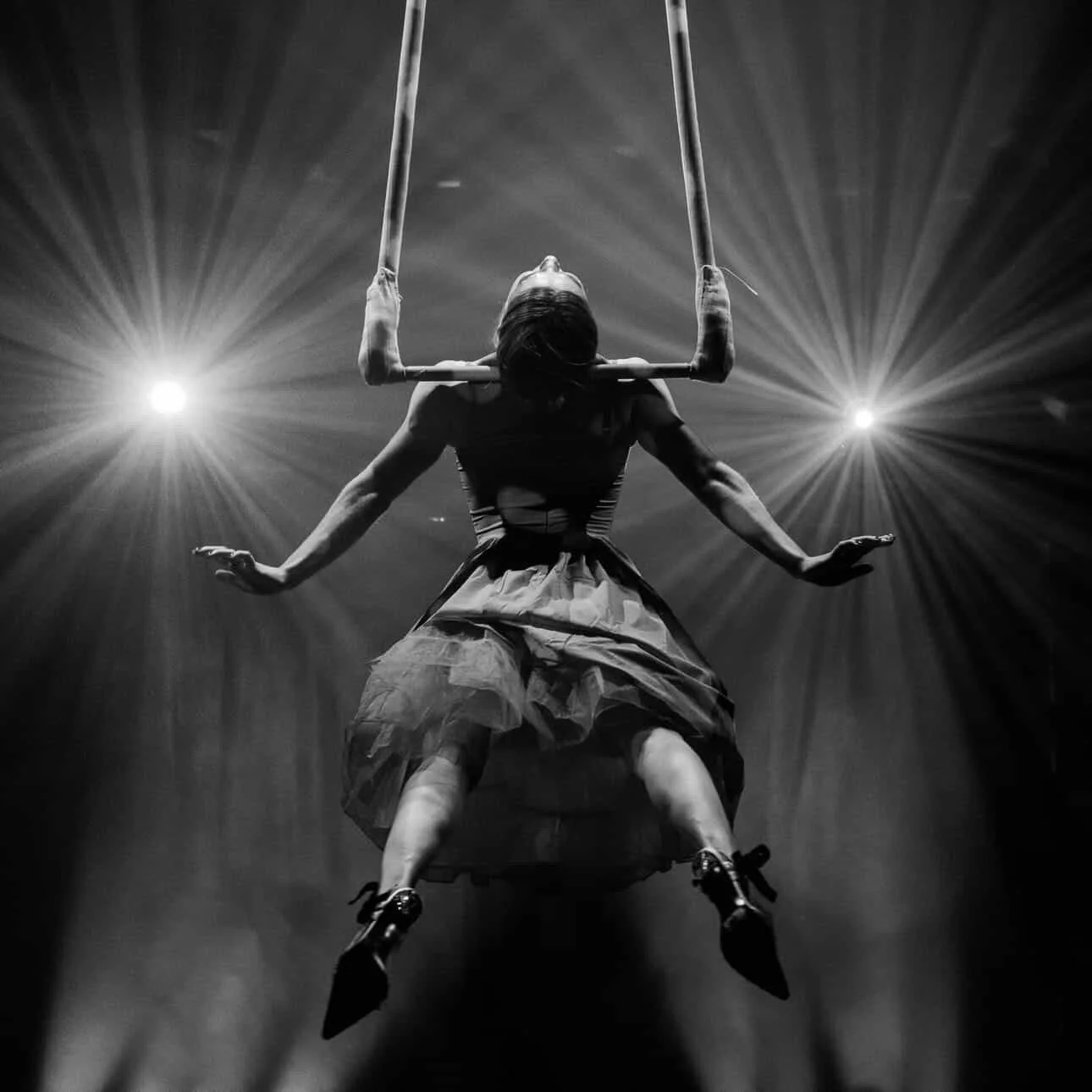
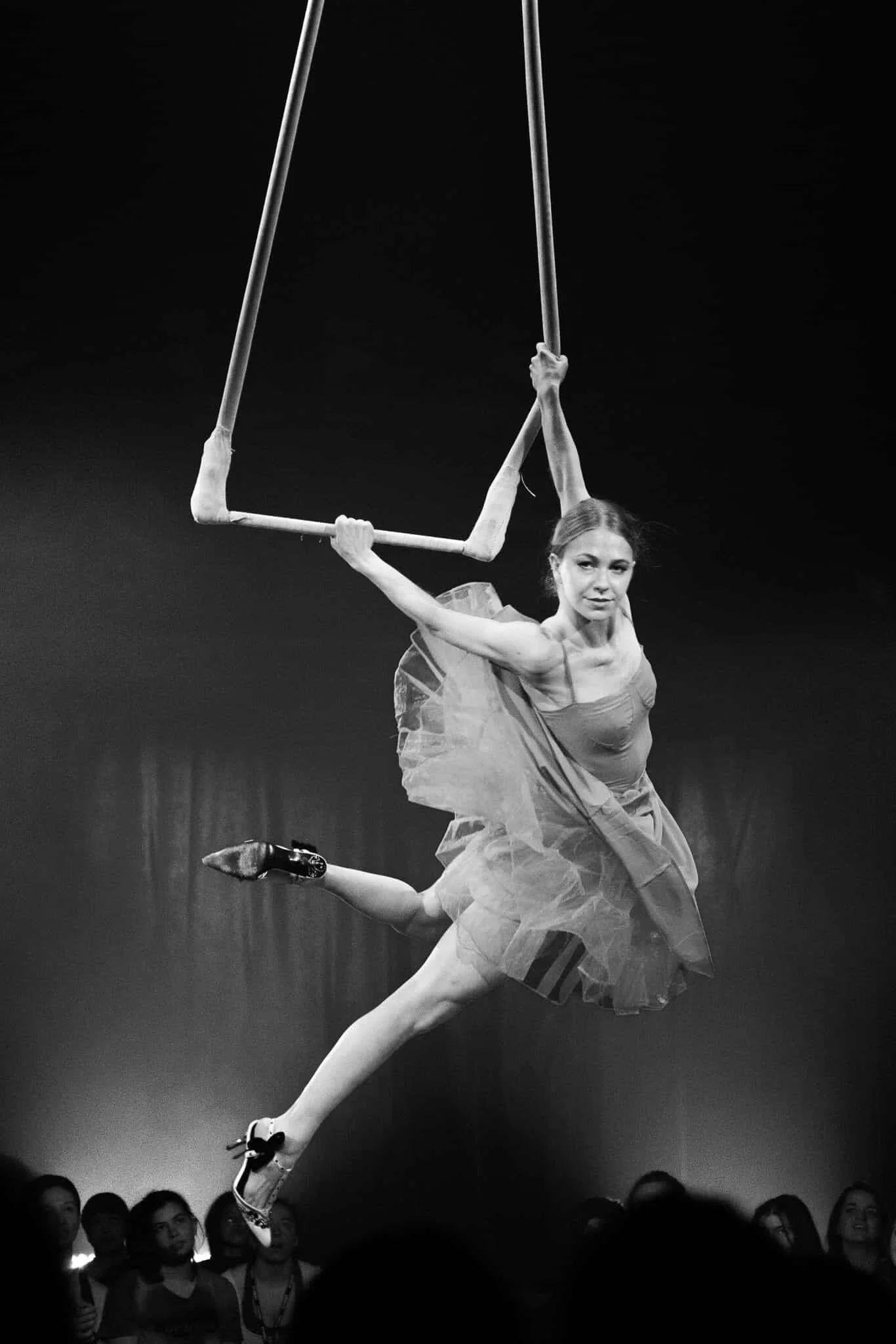
Single Point Trapeze and Doubles Trapeze are disciplines offered on the course. Photos by Katie Williamson
Beyond creative degrees and circus arts, there is a demand for creativity, and this is taking shape as an increase in arts-based activities like pottery-painting and collage workshops, particularly among Gen Z. In an era that is so digital, people are seeking community spaces that offer opportunities to connect with others, IRL.
On this front, circus education is different from most degrees because it is almost entirely in-person. Unlike arts degrees, for example, with minimal contact hours, students at the National Centre spend most of their time in face-to-face lessons. This community aspect of studying circus arts was appealing to Ruby Buchanan, who went to her first aerial class at 19.
“It’s not easy taking a non-traditional route, but it is fulfilling, pursuing something that’s exciting and that you’re passionate about”
Ruby dropped out of The University of Edinburgh where she was studying Linguistics to pursue a circus education as she had been struggling with her mental health and switching her degree felt like a step she needed to take.
She said: “It felt really good to be strong and feel beautiful at the same time.
“It was really good at getting me out the house and getting me exercising and having me around a lovely community of people as well.
“It was really good for both my brain and my body.
“It's not easy taking a non-traditional route, but it is fulfilling, pursuing something that's exciting and that you're passionate about.”
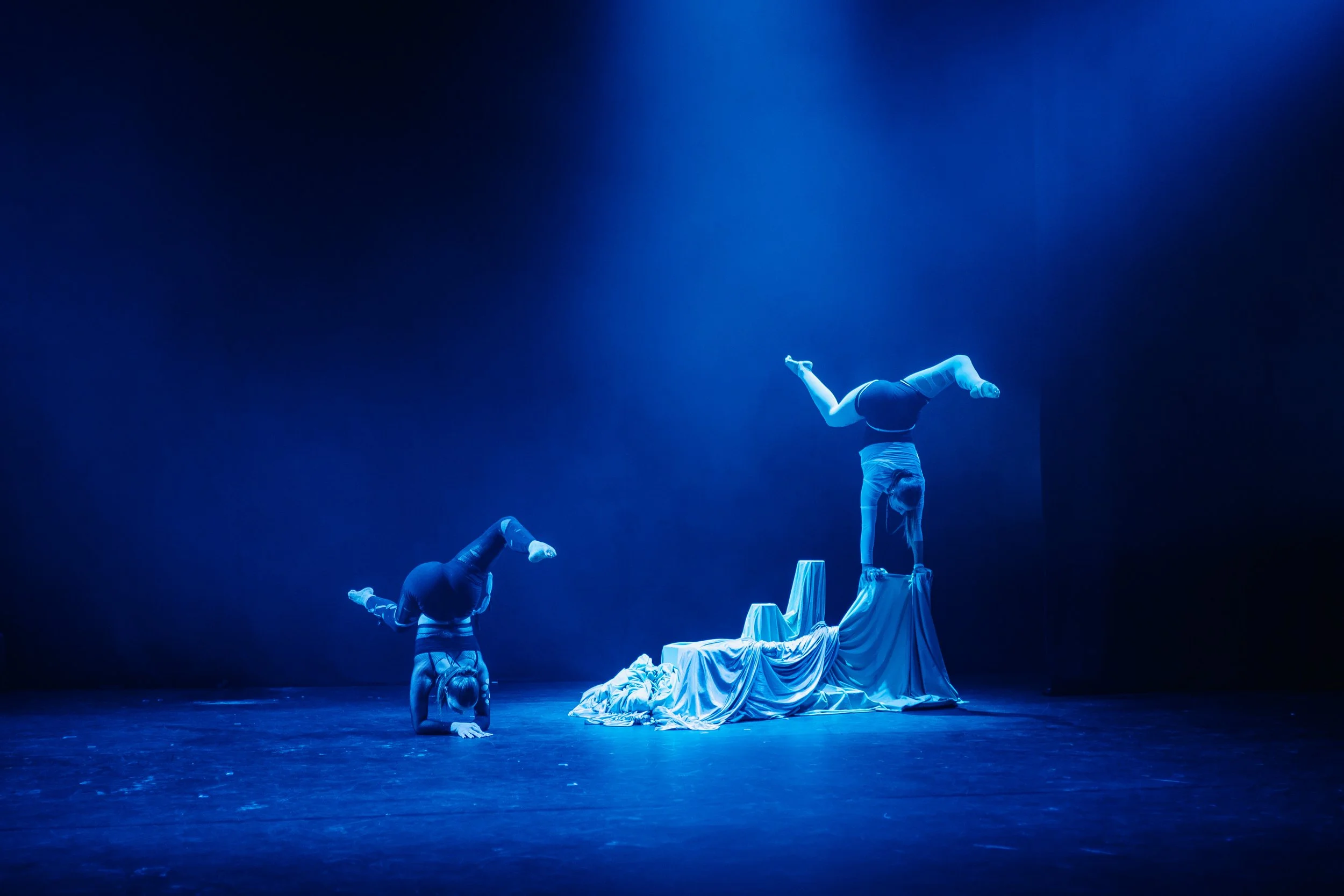
Emma specialised in Hand Balancing on the course. Photo by Alice Underwood
“For it to be a successful career, you need to come to terms with the fact that it’s not a career that can last forever”
Going to university is often the first time students are confronted with their professional futures, so having the support to navigate career goals and opportunities is invaluable. While a circus arts degree might have different prospects to other courses, learning about the industry you want to work in and preparing for ‘real’ life is just as important because having a bachelor’s degree doesn’t guarantee employment.
When Ruby dropped linguistics, she felt that circus arts had better career prospects.
At the National Centre, she felt supported by the teachers, many of whom were working in the industry alongside teaching.
She said: “Everyone is always one friend away from someone that's worked in that company or knows someone that produces the thing you're looking at or has had that injury before and can give you advice on a physio to go to. It's really tight-knit, it's really supportive and everyone is happy to help.”
This doesn’t mean that getting your first break is easy. Sending off applications and knowing you’ll never hear back, she tells me, is a reality she is used to.
Still, she said: “I think about everything I've learned and got from this degree compared to where I was with my old degree and I can't even compare. It's given me so much more in terms of support - I feel so much more prepared for the industry. I feel like I really know everyone who's working alongside me. And I think about how both these degrees cost the same amount of money and how much more teaching time I had in this degree compared to my old one.”
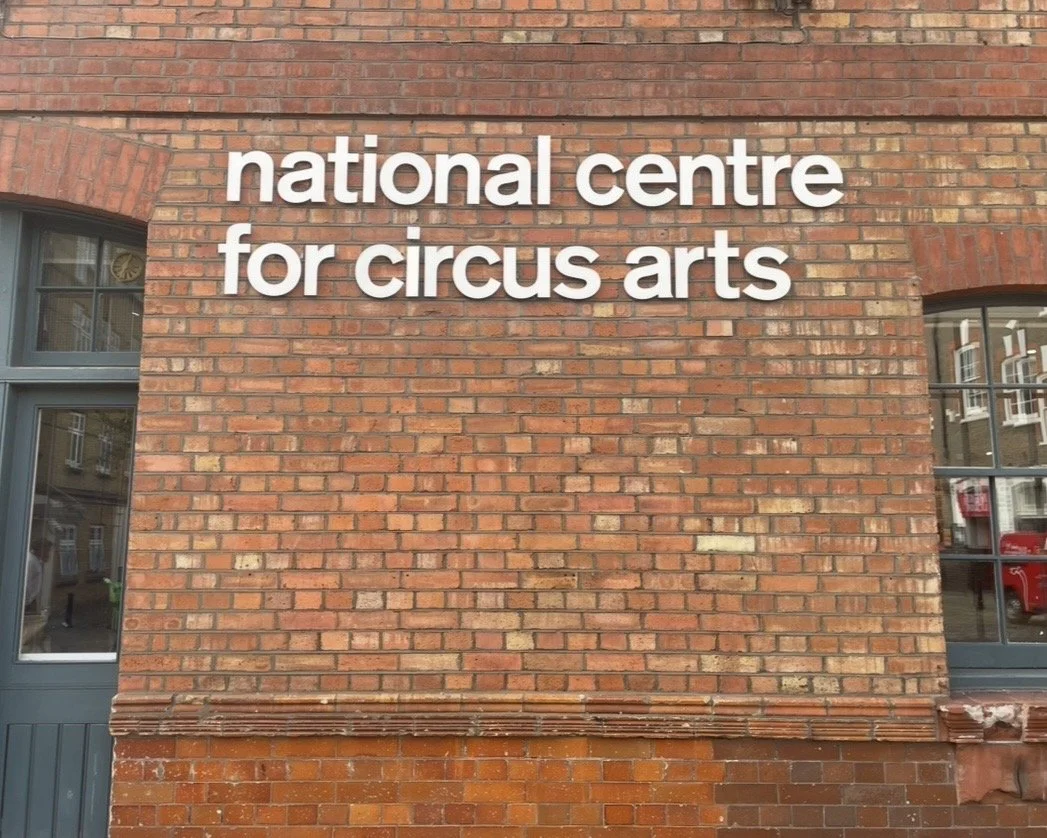
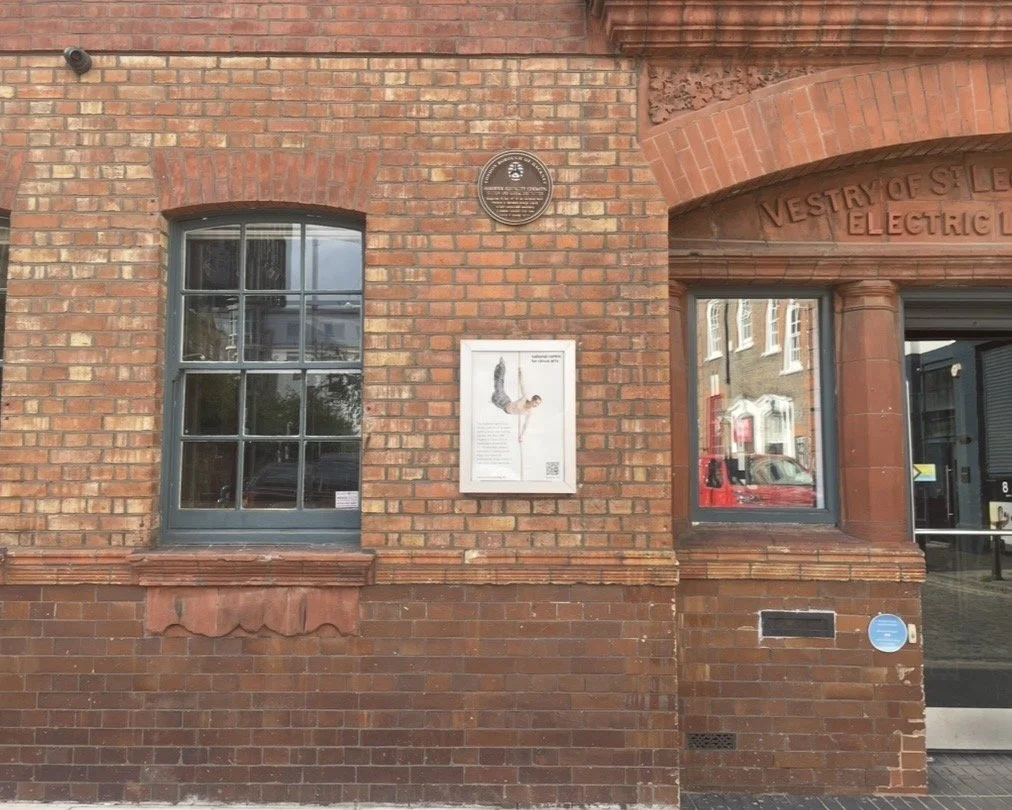
The school is tucked away on a quiet street in Hoxton. Photos by Tanya Fevzi
Katie agreed that the school was really helpful at preparing students for life after graduation; she learnt about writing business plans and applying for grants on a company-wide scale. But, there were still things she had to figure out by herself, like making a show reel, getting a CV ready, reaching out to potential clients and negotiating fees.
Working freelance or on temporary contracts is one part of the industry that students must prepare for. Building a career that is almost entirely dependent on your body’s ability to perform is another.
For Katie, making peace with these realities is a key to success. She said: “There's a lot that comes with having your career dependent on your body working properly and generally, a performance artist has an earlier retirement than most other careers. So I think for it to be a successful career, you need to come to terms with the fact that it's not a career that can last forever.
“It's unfortunate because the feeling of performing is an incredible one. It's something that I really hope I can do into my old age.
“I actually had a coach growing up who was in her 70s and she was one of the strongest women I've ever known, so I've seen firsthand how people can continue to keep it in their life even when they don't perform. I feel at peace with the knowledge that this lifestyle is very intense and there will be a nice bit of relaxation that comes with being done with performing one day.”
At the minute, Katie is working on a cruise ship on a nine-month contract.
Emma, who is teaching acrobatics to children while she recovers from an injury, shared her top tips to becoming a circus artist.
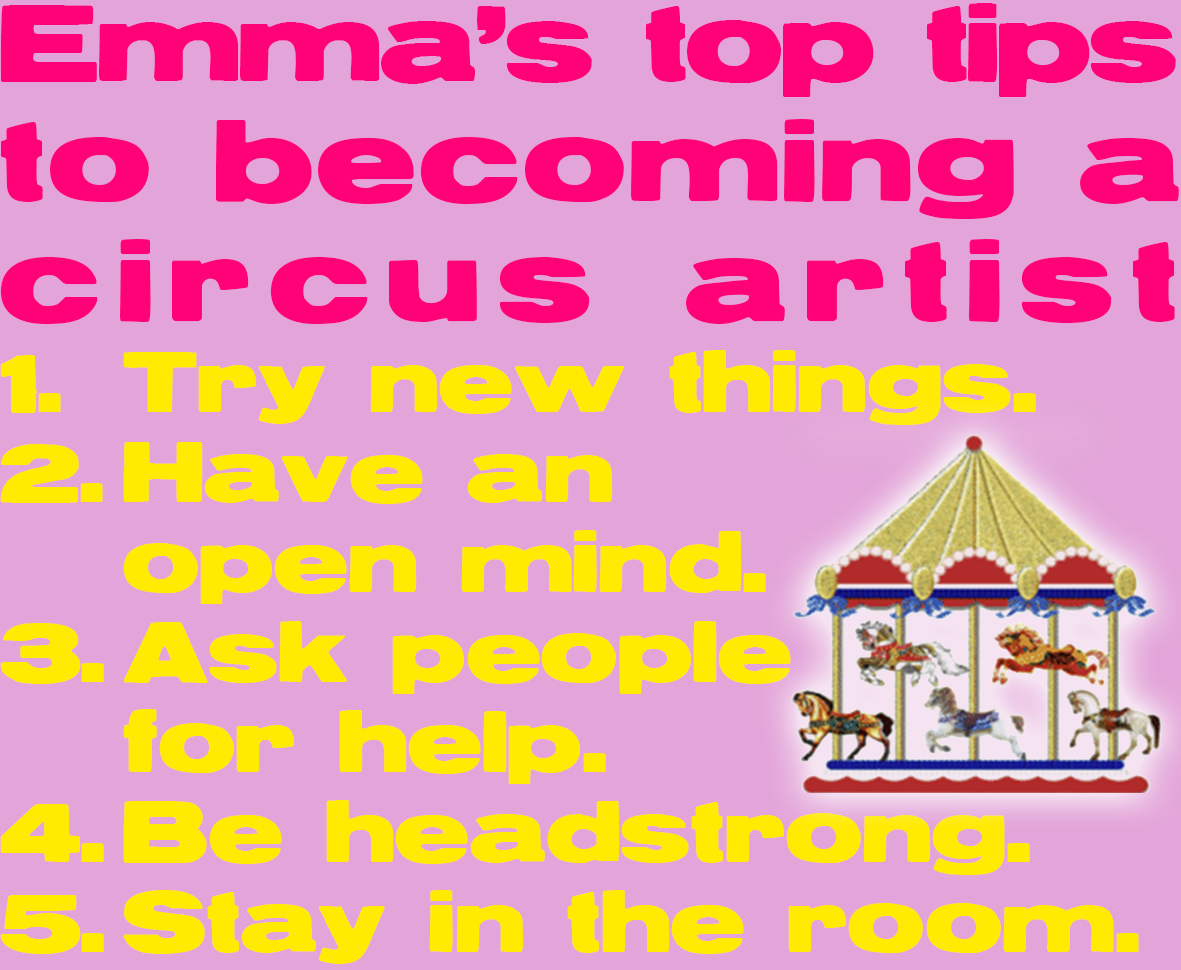
She added: “If you are going to do it, you need to be prepared to be independent, and you have to push yourself. Like, you have to want it. You're creating for yourself and for others.”